Common area cleaning is one of the most overlooked aspects of property management, yet it shapes how tenants and visitors perceive your building from the moment they walk in.
We at Crest Cleaning Services know that lobbies, corridors, and stairwells are the first things people notice-and the last things they forget. A well-maintained common area signals that you care about your property and the people in it.
Why Clean Common Areas Drive Property Value
First Impressions Shape Tenant Decisions
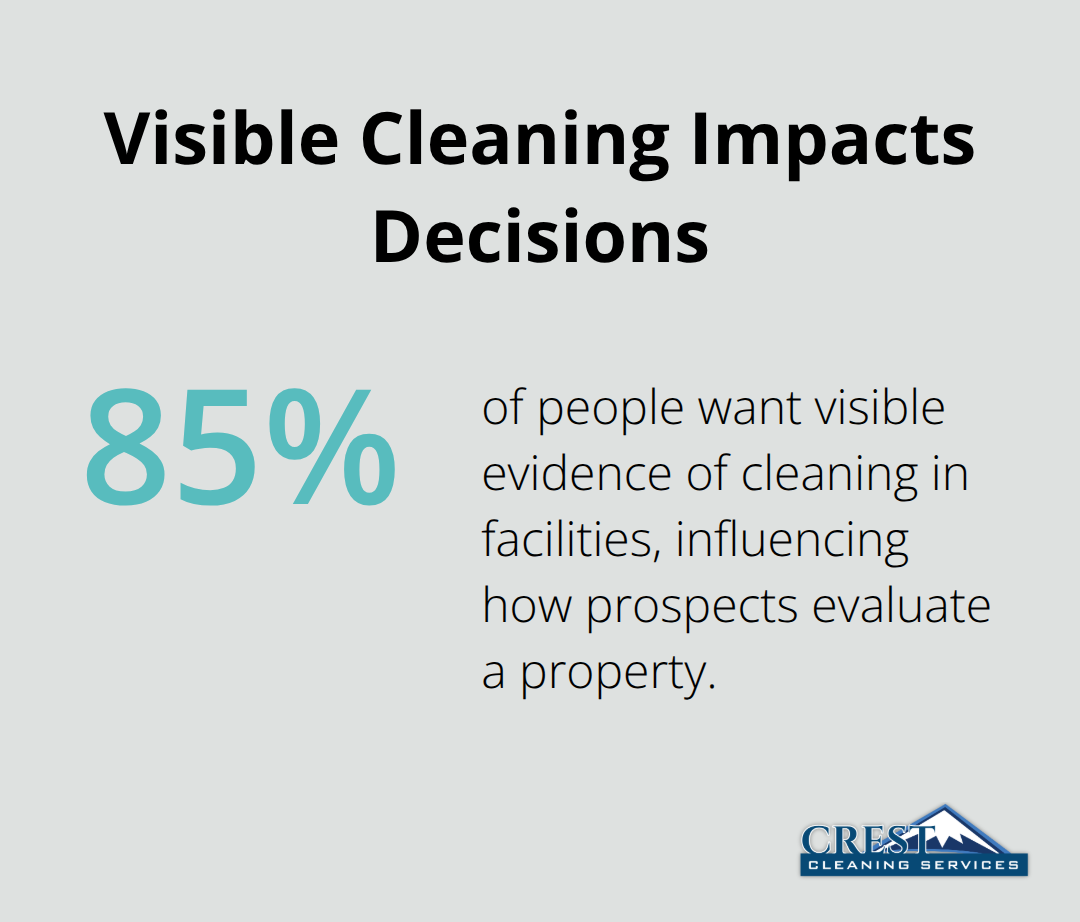
First impressions shape decisions. Research from the American Institute of Architects found that 85% of people want visible evidence of cleaning in facilities, and this visibility directly influences how prospects evaluate your property. A spotless lobby with gleaming floors and sanitized surfaces communicates investment and professionalism within seconds. Conversely, fingerprints on glass doors, dust on railings, or visible dirt in corners signal neglect. Property managers who prioritize common area cleaning see measurable differences in lease-up times and renewal rates. Tenants decide whether to renew leases based partly on how well the building is maintained, and common areas represent the property’s daily presentation. When you maintain lobbies, corridors, and stairwells consistently, you reduce vacancy rates and strengthen tenant retention.
The cost of replacing a tenant far exceeds the investment in routine cleaning, making this a straightforward financial calculation.
Clean Spaces Command Higher Rental Rates
Properties with visibly clean common areas support premium pricing. Tenants and office workers willingly pay more for spaces that feel well-maintained and hygienic. This premium reflects both perceived quality and actual health benefits. Regular disinfection of high-touch surfaces like elevator buttons, door handles, and light switches reduces illness transmission, which translates to fewer sick days and higher productivity for residents and employees. Commercial cleaning standards in Seattle are among the nation’s strictest, and properties that exceed these standards gain competitive advantages. Prospective tenants notice these standards met through visible cleanliness and professional maintenance. The difference between a property that cleans corridors twice weekly versus daily creates a measurable perception gap. That gap converts to occupancy rates and rent values. Property managers who treat common area cleaning as a core operational expense, not a discretionary cost, see stronger financial performance.
Maintenance Prevents Costly Deterioration
Neglected common areas deteriorate rapidly under foot traffic. Carpets accumulate embedded dirt that shortens their lifespan by years, and unmopped hard floors develop dull finishes and scratches that require expensive refinishing. Walls and baseboards attract dirt and scuffs that become permanent if not addressed regularly. Professional cleaning with appropriate equipment and pH-neutral cleaners preserves floor finishes and extends carpet life substantially. Monthly deep cleaning of carpeted areas, including steam extraction, removes the dirt that daily vacuuming misses. Quarterly attention to hard floors with proper maintenance prevents the need for costly restoration. When you establish a consistent cleaning schedule with daily sanitization, weekly deep cleaning, and monthly specialized maintenance, you protect your long-term investment in building materials and surfaces. This preventive approach costs less than reactive repairs or premature replacement of carpeting and flooring.
The financial case for common area cleaning is clear, but execution requires a detailed plan. Understanding which areas demand the most attention and how often to clean them separates properties that maintain value from those that watch it decline.
High-Traffic Areas That Need Regular Attention
Lobbies and Entryways Demand Daily Cleaning
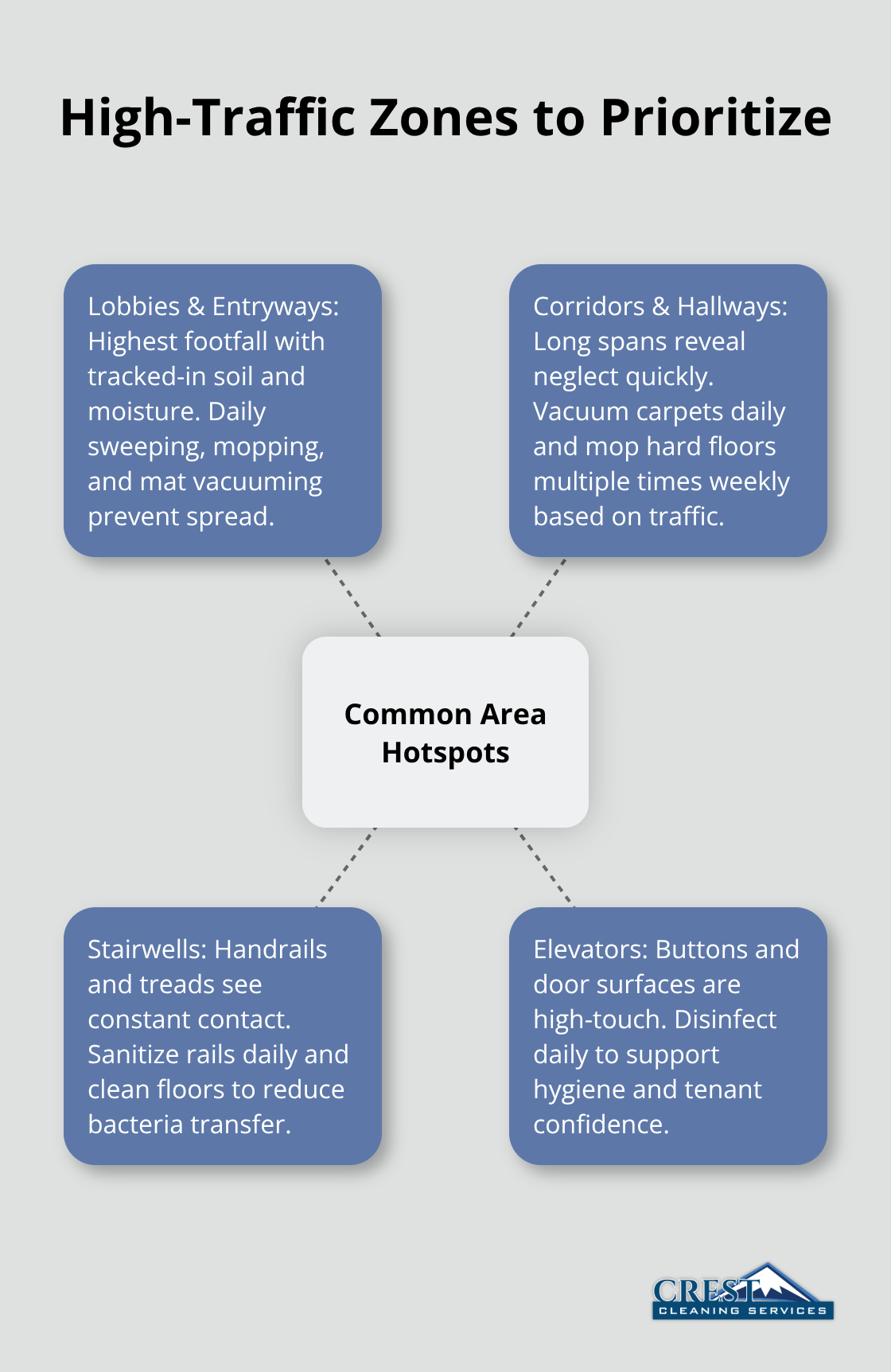
Lobbies and entryways absorb tracked-in dirt, moisture, and contaminants before any other space in your building. These zones experience constant foot traffic, and the moment someone steps inside, they deposit soil from outdoors onto your floors. Hard floors in lobbies need sweeping and mopping daily, while entry mats and rugs require daily vacuuming to trap dirt at the source. Glass doors and windows collect fingerprints and smudges throughout the day, requiring daily spot-cleaning and full interior-exterior washing weekly. High-touch surfaces like door handles and elevator buttons must receive daily disinfection using EPA-approved disinfectants.
Corridors and Hallways Present Unique Challenges
Corridors and hallways span longer distances and connect multiple spaces, creating different maintenance needs than lobbies. Carpeted hallways need daily vacuuming to prevent dirt from embedding into fibers, while hard-surface corridors require mopping two to three times weekly or more depending on foot traffic volume. Weekly tasks should include spot-cleaning walls and baseboards where dust accumulates, plus dusting railings, vents, and ledges. These longer spaces demand consistent attention because neglect becomes visible across extended areas, signaling poor property management to residents and visitors.
Stairwells and Elevators Transmit Bacteria Easily
Stairwells and elevators are high-touch zones where bacteria transmit easily between people. Elevator buttons, door surfaces, and railings require daily sanitization, while stairwell floors need daily vacuuming or mopping. Monthly attention to signage and lighting fixtures prevents dust buildup that makes spaces feel neglected. These vertical circulation points concentrate contact from dozens of people daily, making them critical to infection control and tenant health.
Timing and Equipment Matter for Execution
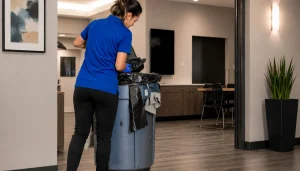
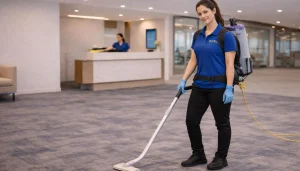
Daily disinfection schedules work best when executed during low-traffic periods, typically early morning or evening, so cleaning crews finish before peak occupancy times. This timing prevents disruptions while ensuring surfaces dry properly. Commercial vacuum cleaners with HEPA filters pay dividends in these high-traffic spaces because they capture fine dust and allergens that standard equipment misses. Auto-scrubbers designed for large floor areas clean and dry hard floors quickly, improving throughput without extending cleaning windows.
Seattle’s Weather Intensifies Common Area Challenges
Properties in the Seattle area face particular challenges because wet weather drives more moisture and dirt indoors, requiring more frequent floor maintenance to prevent slips and residue buildup. Property managers who adjust cleaning schedules based on seasonal changes and weather patterns maintain better results than those following rigid schedules year-round. A property that cleans lobbies and corridors consistently outperforms competitors, and tenants notice the difference immediately. Understanding these high-traffic zones sets the foundation for creating an effective cleaning checklist that addresses each area’s specific demands.
Practical Cleaning Checklist for Common Areas
Daily Tasks to Maintain Cleanliness
Effective common area cleaning requires a structured schedule that separates daily maintenance from deeper work. Most property managers fail here because they either clean everything superficially every day or neglect critical tasks until problems become visible. The right approach divides work into three tiers based on how quickly different areas accumulate dirt and how much they affect tenant perception.
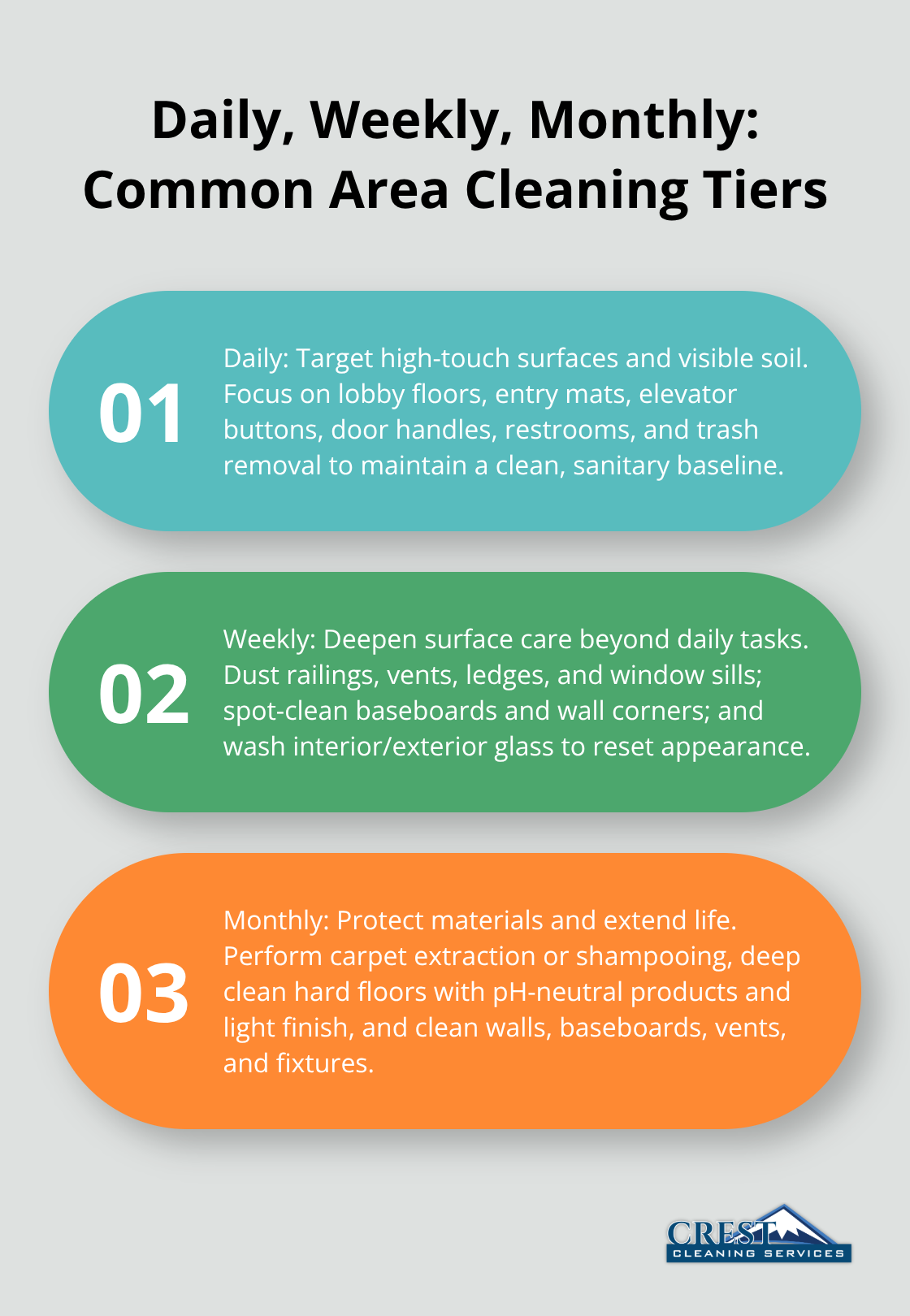
Daily tasks focus on high-touch surfaces and visible dirt that appears within hours. Lobbies need floor sweeping and mopping each morning before occupants arrive, and entry mats require vacuuming to capture tracked-in soil before it spreads. Elevator buttons and door handles need disinfection using EPA-approved products with proper contact time. Restrooms require daily cleaning of toilets, sinks, and mirrors plus restocking of soap, towels, and toilet paper.
Trash removal from all common areas should happen daily because overflowing bins signal neglect faster than almost anything else. Corridors and hallways need daily vacuuming of carpeted sections and mopping of hard floors at least twice weekly, though high-traffic properties benefit from daily hard-floor attention. Stairwell railings and elevator door surfaces require sanitization because these concentration points transmit bacteria between dozens of people daily. This daily foundation prevents the accumulation that makes spaces look abandoned.
Weekly Deep Cleaning Focus Areas
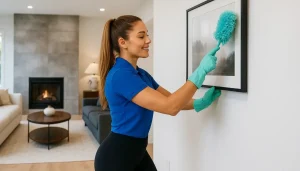
Weekly deep cleaning targets areas that collect dirt beyond what daily tasks address. Dust settles on railings, vents, ledges, and window sills throughout the week, so weekly dusting prevents the grimy appearance that makes properties feel old and poorly maintained. Baseboards and wall corners attract scuffs and dust that become permanent if ignored, requiring weekly spot-cleaning.
Windows and glass surfaces need full interior and exterior washing weekly because fingerprints and streaks accumulate despite daily spot-cleaning. Color-coded microfiber mops and cloths prevent cross-contamination between zones, while commercial-grade equipment designed for high-traffic areas improves both speed and results. Properties that follow the same schedule every week outperform those that clean heavily some weeks and skip tasks others.
Monthly Maintenance and Specialized Cleaning
Monthly tasks handle specialized maintenance that prevents deterioration and extends material life. Carpet in high-traffic common areas needs steam extraction or shampooing monthly to remove embedded dirt that regular vacuuming cannot reach. Hard floors benefit from monthly deep cleaning with appropriate pH-neutral products followed by light waxing or sealing to restore shine and protect the finish.
Wall cleaning and baseboard scrubbing on a monthly basis prevent permanent discoloration. Quarterly attention to air vents, light fixtures, and ceiling areas removes dust that impacts both appearance and air quality. Seattle’s strict commercial cleaning standards set by the Seattle-King County Public Health Department require documentation of these tasks, so property managers should maintain a cleaning log showing what was completed and when.
Timing and Equipment for Success
Consistency matters more than intensity. Properties that execute the same schedule every week outperform those that clean heavily some weeks and skip tasks others. Daily disinfection schedules work best when executed during low-traffic periods, typically early morning or evening, so cleaning crews finish before peak occupancy times. This timing prevents disruptions while surfaces dry properly.
Commercial-grade equipment designed for high-traffic areas improves both speed and results. Properties that outsource this work during peak seasons or when in-house staff cannot keep pace often maintain higher cleaning standards than those attempting to handle everything internally with limited resources.
Final Thoughts
Seattle’s weather patterns demand that property managers adjust common area cleaning strategies throughout the year. Winter months bring constant moisture from rain, which tracks onto lobby floors and corridors faster than any other season, requiring daily mopping of hard floors and more frequent mat changes to prevent slip hazards and residue buildup. Spring brings pollen and allergens that settle on surfaces, necessitating increased dusting of railings, vents, and ledges. Summer offers a brief window where outdoor dirt decreases, but higher occupancy during warm months intensifies foot traffic, offsetting any weather advantage.
The most effective approach treats common area cleaning as a flexible system rather than a rigid schedule. Property managers who monitor weather forecasts and adjust cleaning frequency accordingly maintain better results than those following identical routines regardless of conditions (heavy rain weeks demand extra attention to entryways and corridors, while dry periods allow you to reduce some tasks slightly while maintaining core daily sanitization). Properties that attempt to handle everything internally often fall short during peak seasons or bad weather, so outsourcing additional help during winter months or high-traffic periods prevents burnout and maintains standards when in-house staff cannot keep pace.
We at Crest Cleaning Services understand that common area cleaning requires consistency, proper equipment, and seasonal adjustments. Our team serves property managers throughout the greater Seattle area with recurring janitorial services tailored to your building’s specific needs. Contact us today to develop a year-round cleaning plan that keeps your lobbies, corridors, and common spaces pristine regardless of season.
About Crest Cleaning Services
Crest Cleaning Services is a locally owned cleaning company based in Auburn, Washington. We provide professional house cleaning, move out cleaning, office cleaning, janitorial services, carpet cleaning, and common area cleaning for apartments and commercial buildings across Auburn, Kent, Seattle, Bellevue, and Tacoma.
Our goal is simple: reliable cleaning, clear communication, and consistent service for homeowners, property managers, and businesses throughout the greater Seattle area.
Learn more at [www.crestcleans.com](http://www.crestcleans.com)