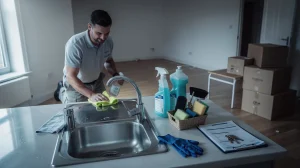
Keeping your apartment clean doesn’t have to drain your wallet. Whether you’re managing a rental or preparing for move-out inspections, affordable apartment cleaning is about working smarter, not spending more.
We at Crest Cleaning Services know that renters face unique cleaning challenges-balancing cost, time, and the need to protect your security deposit. This guide walks you through practical strategies that actually work in Seattle apartments.
Why Clean Apartments Protect Your Wallet
Your Security Deposit Depends on Cleanliness
Your security deposit sits in your landlord’s account from move-in until you leave. In Washington state, landlords must return deposits within 30 days after you vacate, but only if the apartment meets cleaning and condition standards. Under RCW 59.18.280, landlords can legally deduct for damage beyond ordinary wear and tear, and they must document every deduction with invoices or estimates. Cleanliness directly determines how much money you recover.
A dirty apartment gives landlords grounds to charge for professional cleaning, repairs from neglect, or damage assessment fees. Poor condition can trigger charges for odor removal, carpet cleaning beyond normal wear, or pest control if you leave food debris or pet waste. Seattle renters who maintain basic cleanliness throughout their tenancy avoid these surprise deductions and recover their full deposit.
How Humidity and Moisture Affect Your Health
A clean home directly impacts your health and daily comfort in measurable ways. Dust buildup in corners and on surfaces collects allergens that worsen respiratory issues, especially during Seattle’s damp winters when mold grows on window sills and bathroom tile. Humidity is the root cause of many indoor air problems. Renters who keep surfaces clean and maintain proper ventilation by running bathroom fans for 20 minutes after showers and cracking windows on dry days see improvements in air quality.
High-touch surfaces like light switches, door handles, and remote controls harbor bacteria and viruses. Sanitizing these weekly with disinfectant wipes reduces illness risk for you and anyone sharing the space. Seattle apartments benefit most from consistent cleaning because the rainy climate creates condensation and moisture issues that worsen without attention.
Weekly Routines Save Time and Money Later
A structured weekly cleaning routine prevents the buildup that makes deep cleaning necessary, saving you hours of labor later. Renters who address cleaning proactively avoid the panic of last-minute scrubbing before move-out inspections and keep their living space healthier year-round. This consistent approach also reduces the likelihood that you’ll need to hire professional help to meet move-out standards, which can cost $175 to $350 depending on apartment size in the Seattle area.
Understanding what protects your deposit and your health sets the foundation for smart cleaning decisions. The next section covers specific budget-friendly strategies that fit apartment living and help you maintain cleanliness without overspending.
Smart Cleaning on a Budget
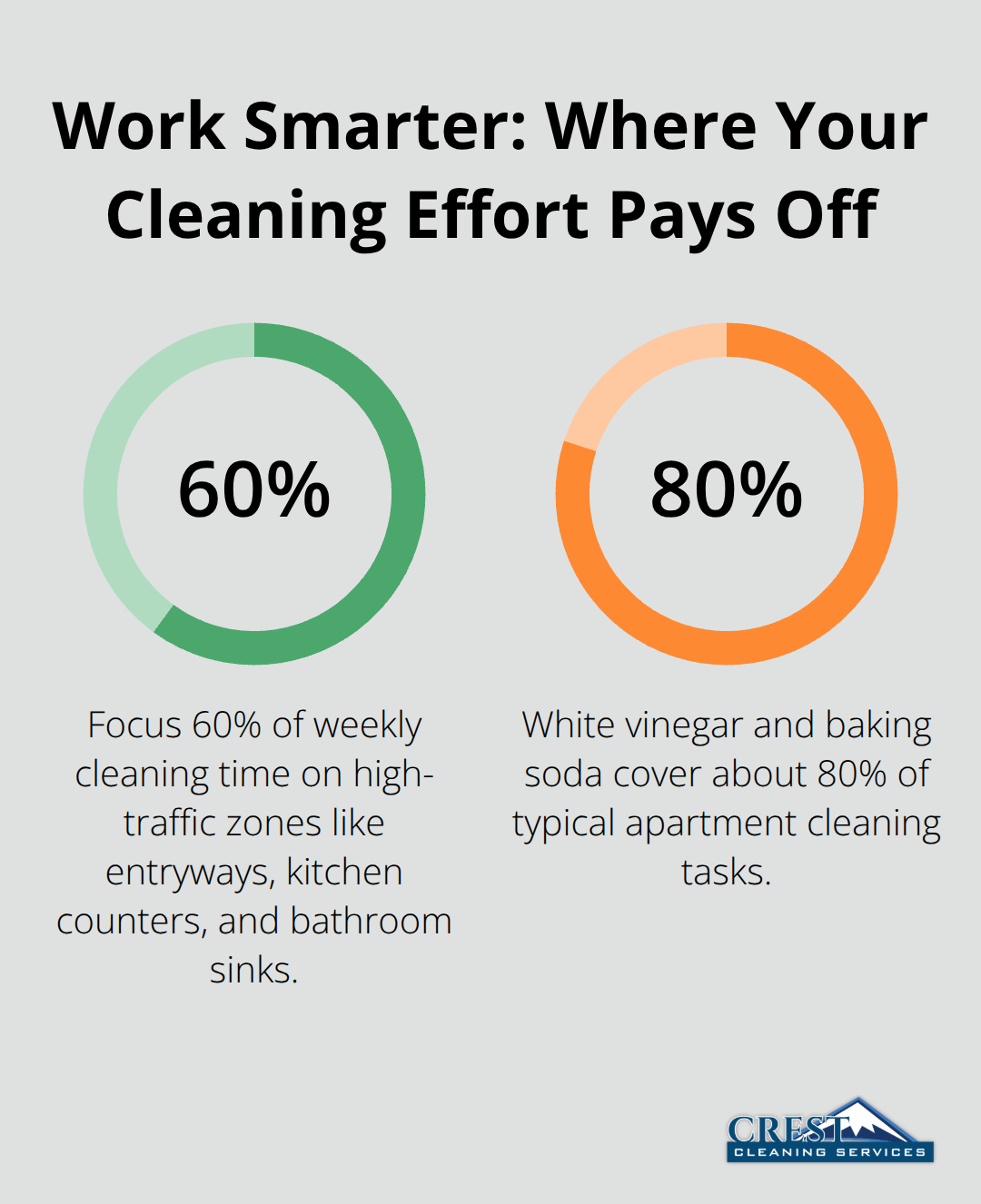
Stop wasting money on cleaning products you’ll never use and stop spending hours scrubbing areas that don’t matter. Seattle renters need a strategic approach that targets what actually affects your deposit and your living space. Start by identifying high-traffic zones in your apartment-entryways, kitchen counters, bathroom sinks, and the path between your bedroom and living room. These areas show dirt first and damage your apartment’s appearance fastest. Spend 60 percent of your weekly cleaning time on these zones. A quick daily wipe of kitchen counters and bathroom sinks takes five minutes and prevents the sticky buildup that requires aggressive scrubbing later.
Vacuum or sweep your entryway and main hallway twice weekly since tracked-in mud and dust settle into carpet fibers and become permanent if left unaddressed. This targeted approach means you can skip deep-cleaning baseboards every week and focus on visible surfaces that renters and landlords actually notice during move-out inspections.
Cut Your Cleaning Supply Costs in Half
Professional cleaners in Seattle typically charge $175 to $350 for apartment cleaning depending on size, but you can avoid that expense with white vinegar and baking soda for most surfaces. White vinegar cuts through grease on stovetops and window sills for under two dollars per bottle and works equally well as commercial degreasers. Mix equal parts white vinegar and water in a spray bottle for bathroom tiles and kitchen backsplashes. For stubborn mold on window sills-a common problem in Seattle’s damp climate-spray the vinegar solution, wait ten minutes, scrub with an old toothbrush, then dry thoroughly. Baking soda tackles odors and abrasive cleaning without scratching surfaces. Sprinkle it on carpets for thirty minutes to neutralize odors, then vacuum. A box costs under a dollar and replaces expensive odor-elimination sprays. These two ingredients handle 80 percent of apartment cleaning tasks without the chemical smell or the price tag of branded cleaners. Purchase them in bulk at grocery stores and you’ll spend roughly five dollars monthly on cleaning supplies instead of twenty to thirty.
Create a Daily System That Prevents Panic Cleaning
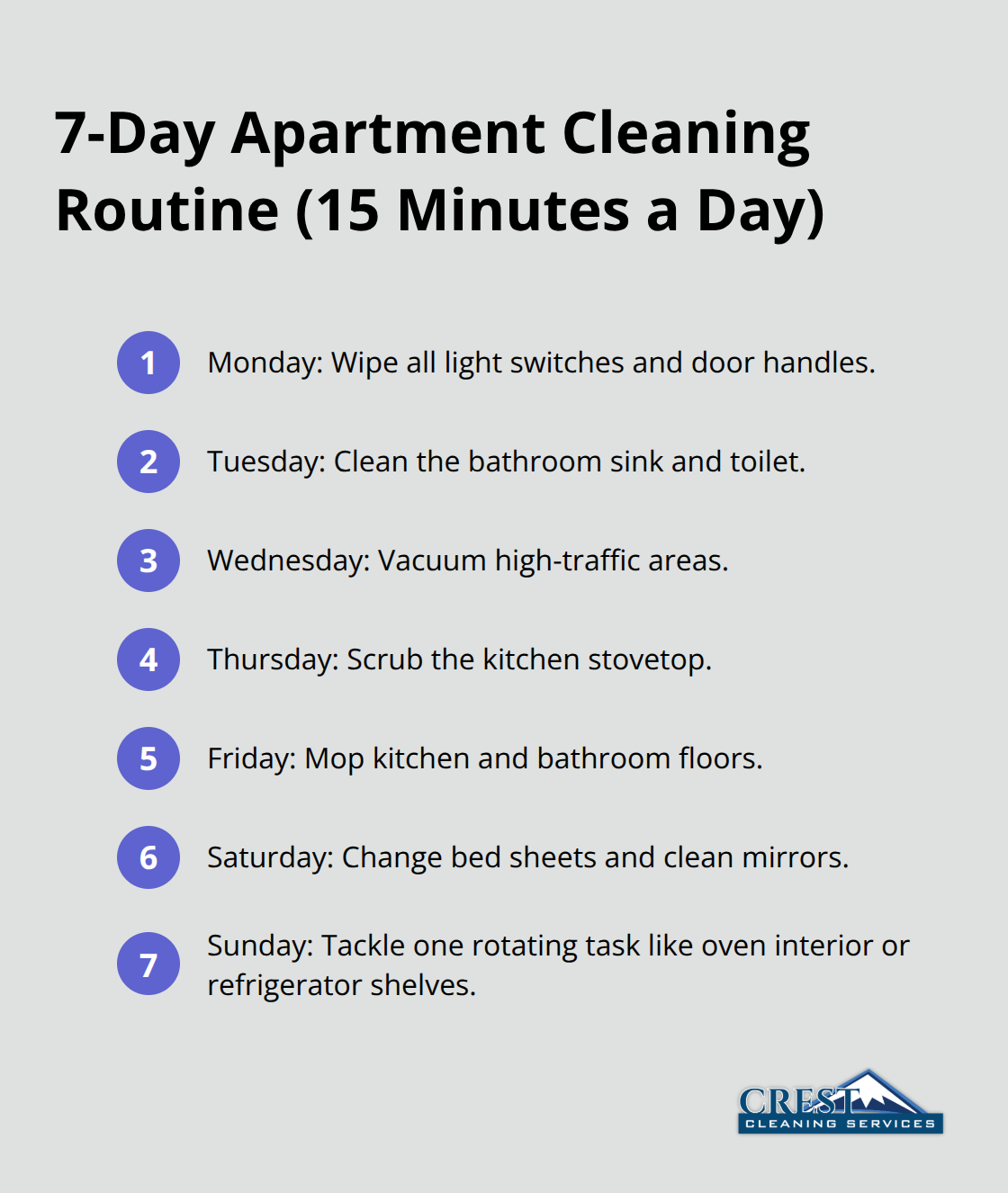
Renters who clean fifteen minutes daily never face the overwhelming deep-clean task before move-out. Assign specific tasks to specific days: Monday wipe all light switches and door handles, Tuesday clean the bathroom sink and toilet, Wednesday vacuum high-traffic areas, Thursday scrub the kitchen stovetop, Friday mop kitchen and bathroom floors, Saturday change bed sheets and clean mirrors, Sunday tackle one rotating task like oven interior or refrigerator shelves.
This daily approach keeps your apartment rent-ready year-round and means move-out cleaning takes a single afternoon instead of a full weekend. Humidity is Seattle’s biggest apartment enemy, so run bathroom exhaust fans for twenty minutes after every shower and crack windows on dry days to reduce moisture that causes mold and mildew. These habits cost nothing and prevent the costly mold treatments or deep-cleaning charges that landlords deduct from deposits. Renters who maintain this routine avoid hiring professional cleaners and keep their security deposit intact.
Address Moisture Before It Becomes Expensive
Seattle’s rainy climate creates condensation and moisture issues that worsen without attention. Improve ventilation to combat humidity by opening windows on dry days, running bathroom fans for 20 minutes after showers, ensuring kitchen hood vents function properly, and considering a dehumidifier for damp rooms. Mold on window sills requires immediate action-treat with equal parts white vinegar and water, spray, wait 10 minutes, scrub with a toothbrush, dry, and keep windows cracked for airflow. Deep-cleaning bathroom grout is high-impact in humid climates; apply a baking soda paste, spray with white vinegar to fizz, scrub, rinse, and dry. For severe mold, use hydrogen peroxide spray and let it sit 15 minutes. These preventive steps stop small moisture problems from becoming deposit deductions that landlords charge for professional remediation.
Protect High-Touch Surfaces Weekly
Sanitize high-touch surfaces regularly to reduce illness risk and maintain a visibly clean apartment. Prioritize light switches, door handles, faucet handles, and remotes with an appropriate disinfectant wipe or spray. This five-minute task prevents bacteria and virus buildup that accumulates in Seattle’s damp environment. Soft furnishings impact odor and freshness significantly-machine wash curtains and pillow covers per care labels, vacuum upholstery including under cushions, and refresh non-washable items by hanging outside or using fabric spray. Cabinets and drawers accumulate crumbs and spills; remove contents, wipe interiors, discard expired items, wipe doors inside and out, and reorganize as you restock. These targeted actions keep your apartment in move-out condition without requiring professional intervention.
The strategies above work for renters managing their own cleaning, but some situations call for professional help. The next section examines when hiring cleaners makes financial sense and how professional services fit into your budget.
When Professional Cleaners Make Financial Sense
Life Happens: When DIY Cleaning Fails
DIY cleaning works until life gets complicated. Seattle renters juggling work, family, and move-out deadlines often find that the fifteen-minute daily routine collapses when unexpected demands pile up. Professional cleaners become cost-effective at that point, not as a luxury but as damage control.
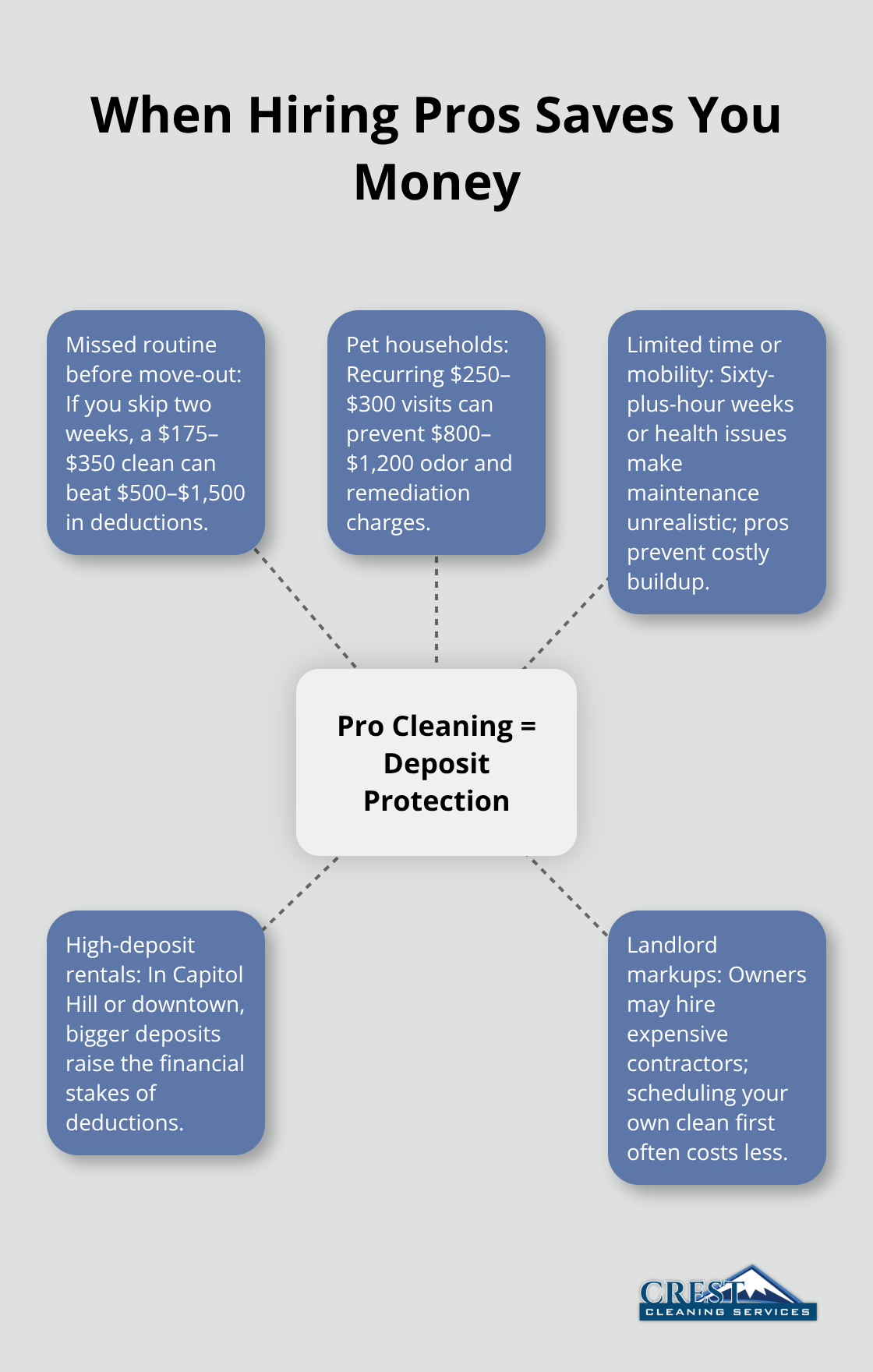
If you miss two weeks of cleaning before a move-out inspection, professional cleaners cost $175 to $350 for a standard apartment, but failing the inspection and losing deposit deductions can cost $500 to $1,500 or more. The math shifts dramatically when you factor in what landlords actually charge for professional remediation under Washington’s deposit laws. Landlords must document every deduction with invoices or estimates, and they often hire the most expensive contractors available. A professional deep clean hired by a landlord costs significantly more than what you would pay to hire cleaners yourself before move-out.
Pet Owners Face Serious Financial Risk
Renters with pets face serious financial exposure. Pet odors and waste trigger expensive deodorization services and pest control charges that landlords deduct from deposits. If you have pets and cannot maintain consistent cleaning, professional cleaners cost roughly $250–$300 per visit for recurring cleaning but prevent the $800 to $1,200 in deposit deductions that pet damage typically triggers. The same logic applies to renters with mobility issues, chronic illness, or jobs requiring sixty-plus-hour weeks. Professional maintenance becomes an investment in your security deposit, not an indulgence.
The Real Cost of Professional vs. DIY Cleaning
Cost comparison requires honest accounting of your actual situation rather than theoretical scenarios. A renter cleaning solo for fifteen minutes daily spends zero dollars on professional services but must maintain discipline every single day or face move-out penalties. A renter hiring professional cleaners biweekly at $250–$300 per visit spends roughly $500–$600 monthly but eliminates the time commitment and guarantees consistent cleaning standards that meet landlord expectations. Seattle renters in high-demand neighborhoods like Capitol Hill or downtown pay premium rates for apartments, which means security deposits are larger and deposit deductions sting harder financially. For these renters, professional cleaning is cheaper insurance than risking a $1,000 deposit deduction from poor move-out condition.
Consistency Prevents Small Problems From Becoming Expensive Ones
Renters who book professional service monthly rather than waiting until move-out also benefit from consistent teams that learn your apartment’s specific moisture and maintenance issues. A regular cleaning crew spots early mold growth on window sills before it spreads, catches pet odors before they require deodorization, and prevents the accumulation that makes move-out cleaning exponentially harder. This consistency matters more than occasional deep cleans because it stops small problems from becoming expensive ones. Professional teams that return to the same apartment regularly develop familiarity with your space and can address Seattle’s specific challenges-humidity, condensation, and seasonal moisture-more effectively than one-time deep cleans. That ongoing attention protects your deposit far better than scrambling to hire someone at the last minute.
Final Thoughts
Affordable apartment cleaning comes down to two decisions: commit to a daily routine or invest in professional help when life gets complicated. Seattle renters who spend fifteen minutes daily on high-traffic areas, use white vinegar and baking soda for most tasks, and run bathroom fans after showers protect their security deposits without spending extra money. This approach works until unexpected circumstances make consistency impossible.
When work deadlines pile up, pet odors develop, or mobility issues make cleaning difficult, professional cleaners become financial protection rather than luxury spending. A $250 to $300 professional cleaning prevents the $800 to $1,200 in deposit deductions that landlords charge for remediation work. Renters in Seattle’s high-demand neighborhoods like Capitol Hill and downtown face larger deposits and steeper financial consequences from poor move-out condition, making professional maintenance a smart investment.
Start by implementing the daily cleaning routine outlined in this guide and track your progress for two weeks to assess whether you can maintain it long-term. If you struggle with consistency or face time constraints, Crest Cleaning Services offers recurring cleaning options that fit your budget and serve the greater Seattle area including Auburn, Kent, Seattle, Bellevue, and Tacoma. Your security deposit is too important to leave to chance.
About Crest Cleaning Services
Crest Cleaning Services is a locally owned cleaning company based in Auburn, Washington. We provide professional house cleaning, move out cleaning, office cleaning, janitorial services, carpet cleaning, and common area cleaning for apartments and commercial buildings across Auburn, Kent, Seattle, Bellevue, and Tacoma.
Our goal is simple: reliable cleaning, clear communication, and consistent service for homeowners, property managers, and businesses throughout the greater Seattle area.
Learn more at [www.crestcleans.com](http://www.crestcleans.com)