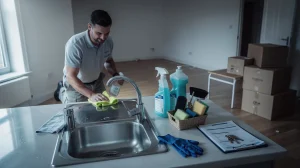
Moving into a new apartment should feel exciting, not stressful. Yet many people overlook one critical step: apartment move-in cleaning that actually prepares the space properly.
At Crest Cleaning Services, we’ve seen firsthand how a truly clean apartment makes all the difference on day one. This guide walks you through what professional cleaning involves, common problem areas you’ll encounter, and whether DIY or professional help makes sense for your situation.
What Professional Move-In Cleaning Actually Covers
The Assessment and Room-by-Room Approach
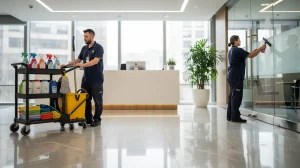
A professional move-in cleaning is not a quick vacuum-and-dust job. It’s a systematic top-to-bottom reset that addresses what landlords and property managers expect before you occupy the space. The process starts with an assessment of the apartment’s current condition, identifying problem areas like construction dust, neglected corners, and appliance interiors that need attention. A qualified cleaning team works room-by-room, starting at ceiling height to prevent re-dirtying cleaned surfaces below, and tackles high-dust zones like light fixtures, fan blades, and the tops of cabinets before moving to lower surfaces.
Time and Scope by Unit Size
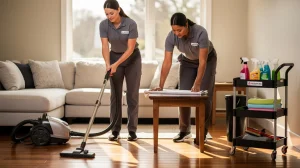
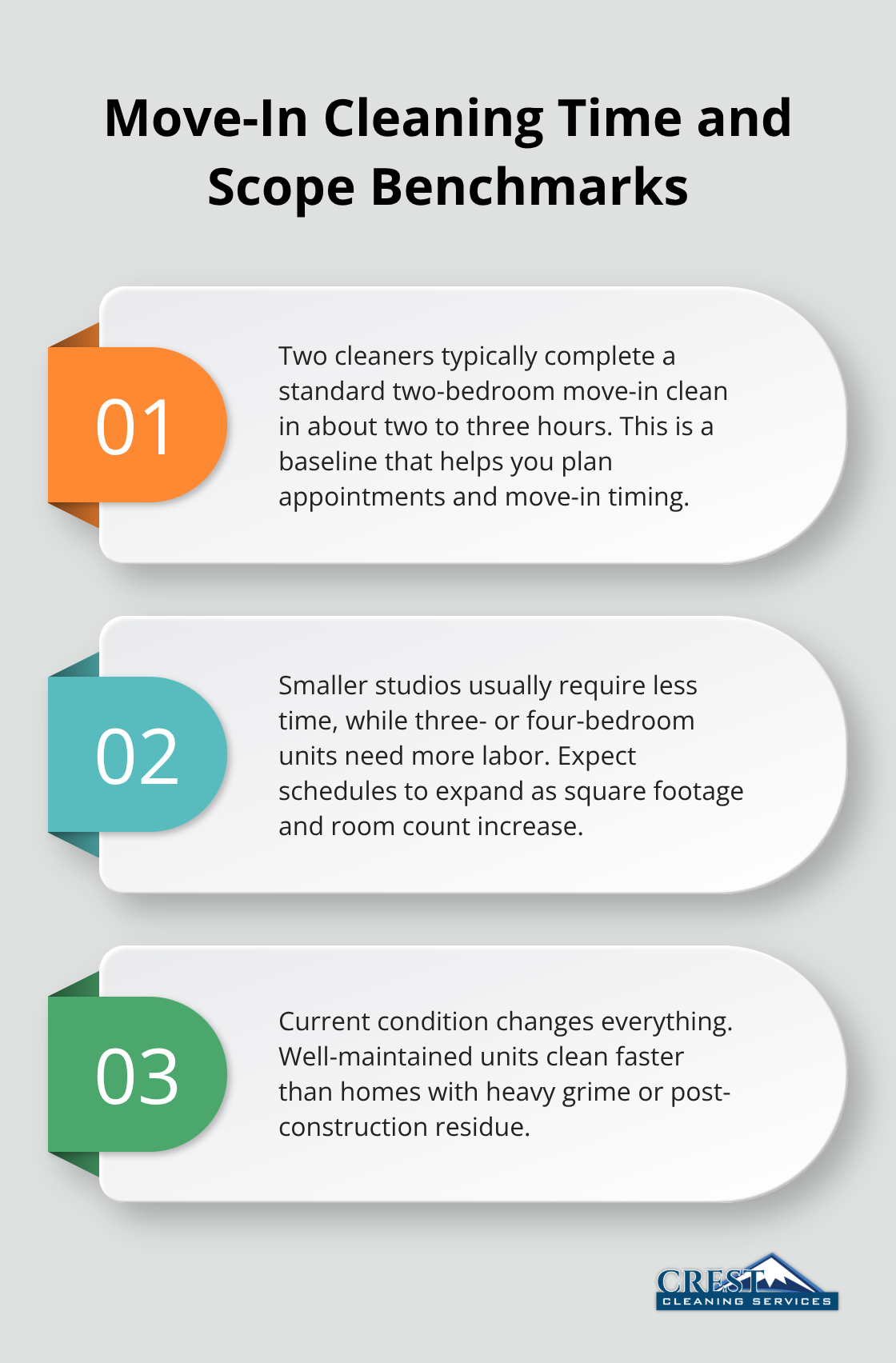
According to Angi’s data, a standard move-in clean for a two-bedroom apartment requires two cleaners about two to three hours, though this scales with unit size and condition. Smaller studios take less time, while larger three- or four-bedroom units demand more labor. The apartment’s current state matters significantly-well-maintained units need less work than spaces with heavy grime or construction residue.
Kitchen and Bathroom Priorities
Kitchen and bathroom cleaning receives extra emphasis because these areas show wear most visibly. The kitchen involves degreasing appliance exteriors, wiping cabinet fronts and handles, sanitizing countertops, and cleaning inside the microwave and refrigerator if you request these as add-ons. Bathrooms require scrubbing tiles, grout, and fixtures, then disinfecting high-touch surfaces like light switches, outlet covers, and door handles with diluted bleach solutions or comparable disinfectants.
Quality Assurance and Protection
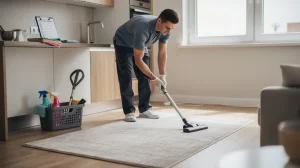
The final phase is a quality check that confirms every room meets move-in standards. High-touch surfaces throughout the apartment get disinfected, floors receive sweeping, vacuuming, and mopping, and closets are cleaned inside so you can start organizing immediately. Many move-in cleaning services offer a 24-hour guarantee, meaning if your landlord flags issues within 24 hours, the team returns at no extra cost. This safety net protects your security deposit from deductions related to cleanliness.
Add-Ons and Equipment
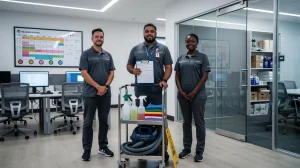
Optional add-ons like interior window cleaning, tile and grout deep cleaning, baseboards, door frames, and range hood degreasing can push a two-bedroom clean from around $289 to $350 or more, depending on what you select. Professional teams arrive fully equipped with HEPA vacuums, mops, dusters, and microfiber cloths, so you don’t need to provide supplies unless you prefer your own cleaning products, which you can request during booking. Understanding what’s included in your base service versus what costs extra helps you budget accurately and avoid surprises.
Now that you know what professional cleaning covers, the question becomes whether your apartment has specific problem areas that demand extra attention.
Common Problem Areas in New Apartments
Construction Dust Settles Where You Least Expect It
Construction dust lingers far longer than most people expect in new apartments. This isn’t just surface-level grime-it settles into HVAC vents, accumulates on light fixture housings, and collects inside cabinet interiors where you’ll store dishes and glassware. Construction dust contains fine particles that spread easily, so addressing it early matters for both cleanliness and air quality. Start with ceiling fixtures, ceiling fans, and the tops of all cabinets before wiping lower surfaces, since gravity works against you.
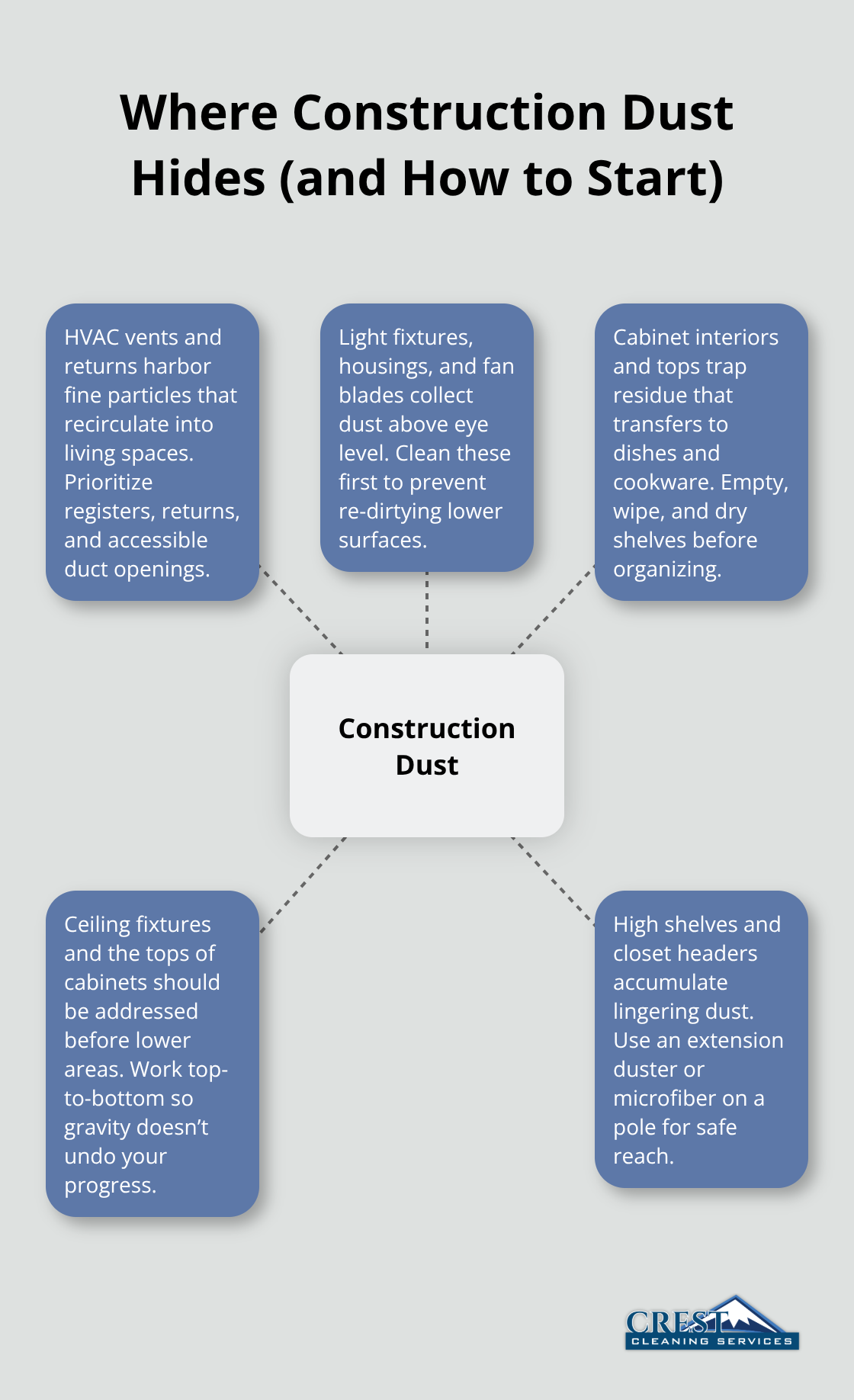
Many apartments skip these high zones entirely, which means you’ll encounter dust weeks after moving in.
Kitchen cabinets deserve special attention because their interiors often contain construction residue that transfers directly to your cookware and food storage items. The same applies to bathroom medicine cabinets and bedroom closet shelves. If you hire professional help, specify that cabinet interiors need attention-this task separates a basic clean from one that actually prepares the space for living.
Corners and Baseboards Reveal True Apartment Condition
Corners and baseboards reveal the true condition of an apartment faster than any other area. Construction crews and previous cleaners typically miss these spots because they require deliberate attention and low-angle work. Baseboards collect dust, dried paint splatters, and construction debris that regular mopping won’t address. Corners accumulate cobwebs and dust that a vacuum alone cannot reach.
These areas matter because they affect how clean the entire apartment feels, even if everything else is spotless. For baseboards, use a damp microfiber cloth or a diluted solution of dish soap and water, then dry promptly to prevent water marks on the paint or baseboard material. Corners benefit from a small brush or old toothbrush to dislodge trapped dust before wiping.
Kitchen Appliances and Cabinets Require Degreasing
Kitchen appliances and cabinet fronts require degreasing because previous occupants and construction activity leave residue that water alone won’t remove. Most surfaces can be wiped clean with a diluted grease-cutting dish soap or laundry detergent. Use an oil-soap wood cleaner on wood cabinets to avoid water damage.
These specific problem areas demand more than a standard clean. Kitchens and bathrooms typically show the most visible wear, which is why landlords and property managers scrutinize these spaces during move-in inspections. Addressing these zones properly sets the tone for your entire move-in experience and protects your security deposit from deductions related to cleanliness.
DIY Move-In Cleaning Strategy
Plan Your Time Realistically
A two-bedroom apartment typically requires 8–12 hours of work spread over two to three days rather than a single marathon session. Start each room with 15 minutes of decluttering, removing trash and staging items near the door so you can access every surface without obstacles. This prep work cuts your actual cleaning time significantly and prevents you from cleaning around piles of belongings.
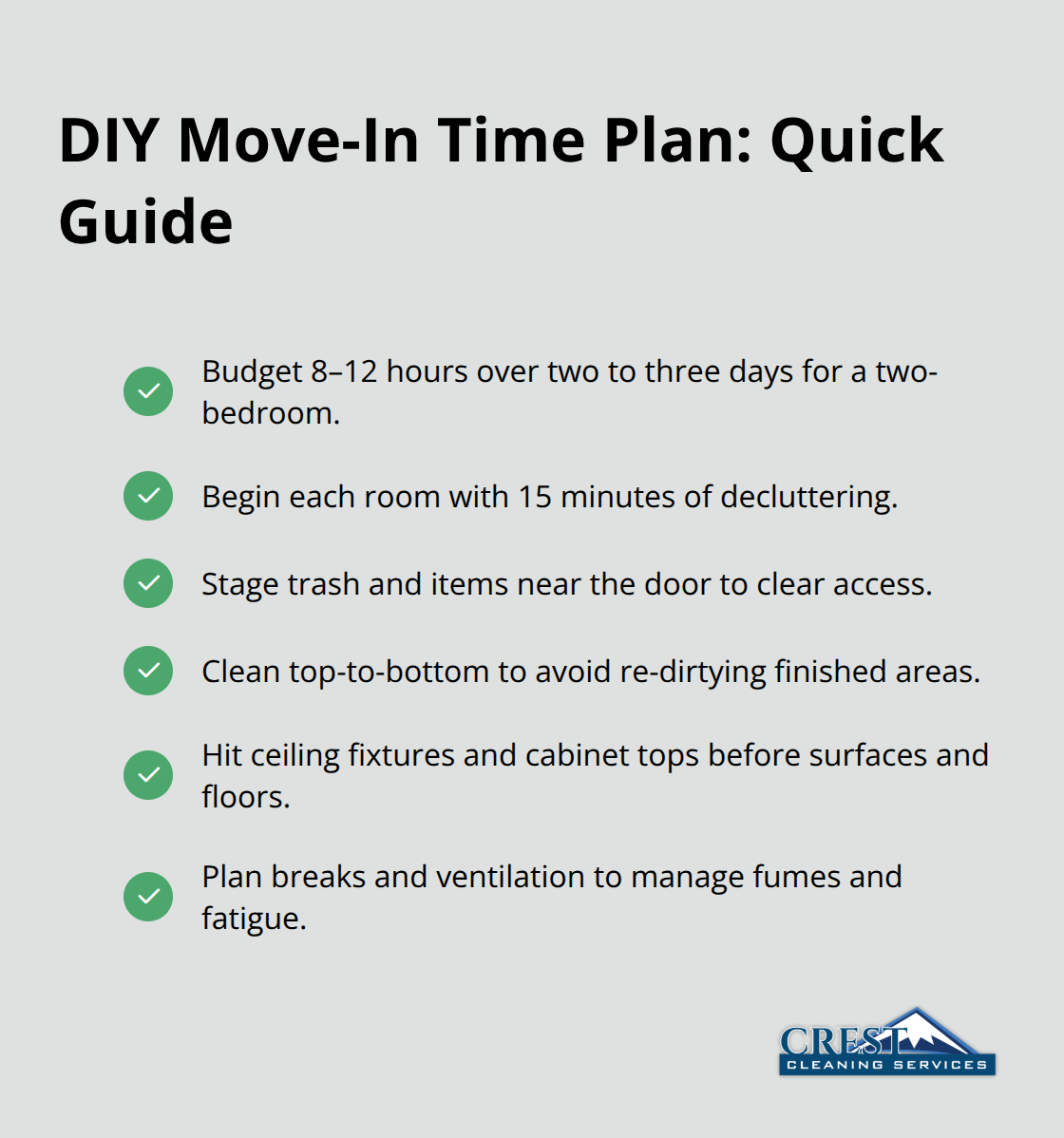
Work top-to-bottom in each room, starting with ceiling fixtures, light switches, and cabinet tops before moving to walls, surfaces, and finally floors. Dust falls downward, so reversing this order means re-cleaning lower areas you’ve already finished.
Tackle Bathrooms with Scrubbing and Disinfection
Bathrooms demand the most attention because they show grime and water stains immediately. Scrub tile walls, grout lines, and the tub or shower with a bathroom cleaner and a scrub brush, then let the cleaner sit for five to ten minutes before scrubbing again. This waiting period lets the chemical break down buildup without extra elbow grease. Rinse thoroughly, then disinfect high-touch surfaces like light switches, door handles, and outlet covers using a diluted bleach solution of one part bleach to two parts water, or choose a plant-based disinfectant if you prefer. Wipe down the toilet inside and out, clean the sink, and finish with floors using a mop and clean water.
Degrease Kitchen Cabinets and Appliances
Kitchens require degreasing because construction dust and previous occupant residue leave a film on cabinet fronts and appliance exteriors. Use a grease-cutting dish soap diluted in warm water on cabinet faces, handles, and appliance exteriors. For wood cabinets, apply a diluted Murphy’s Oil Soap and dry immediately to prevent water damage. Heat a bowl of water with lemon for three minutes to loosen dried food inside the microwave, then wipe the interior clean. Refrigerator coils and cabinet interiors collect construction dust, so vacuum or brush these spaces carefully. Wipe down all countertops, backsplash, and sink with your soapy solution, then dry with a microfiber cloth to prevent water spots.
Clean Bedrooms, Living Areas, and Closets
Bedrooms and living areas need less intensive work than kitchens and bathrooms, but they still demand attention to detail. Vacuum or sweep all floors thoroughly, paying special attention to corners where construction dust accumulates. Wipe baseboards with a damp microfiber cloth and dry soap solution, then move to walls where you’ll find scuff marks or paint splatters. A magic eraser or a paste of baking soda and water removes most marks without damaging paint. Clean closet shelves and interiors, window sills, and tracks where dust settles.
Ventilate and Document Your Progress
Open windows during cleaning to ventilate fumes and let fresh air circulate, which matters especially in Seattle’s humid climate where moisture can trap odors and encourage mold growth. Take before and after photos to track your progress and stay motivated through the longer sections of work.
Final Thoughts
A two-bedroom apartment move-in cleaning takes 8–12 hours of your time spread over multiple days, which means sacrificing a weekend plus the physical exhaustion that comes with scrubbing bathrooms, degreasing kitchen cabinets, and addressing construction dust in corners you didn’t know existed. Professional apartment move-in cleaning eliminates this burden entirely, with a qualified team completing the same work in two to three hours using commercial-grade equipment and products you don’t own. This approach delivers results that meet landlord expectations without you lifting a finger, and a 24-hour guarantee protects your deposit if your landlord flags issues within a day.
Professional cleaners identify maintenance issues you’d miss during DIY work, spotting water damage behind cabinets, mold forming in bathroom corners due to Seattle’s humidity, or HVAC vents clogged with construction debris that affects air quality. These discoveries matter because catching problems before you move in lets you report them to your landlord and avoid deposit deductions later. Insurance coverage also protects you if accidental damage occurs during the cleaning process.
We at Crest Cleaning Services handle apartment move-in cleaning across the greater Seattle area, including Bellevue, Kent, and Tacoma, with a licensed and insured team that arrives fully equipped to complete a systematic top-to-bottom reset. You can request an instant quote in about 60 seconds at Crest Cleaning Services with no phone call required, and our 4.9-star Google rating from over 700 reviews reflects our commitment to inspection-ready results.
About Crest Cleaning Services
Crest Cleaning Services is a locally owned cleaning company based in Auburn, Washington. We provide professional house cleaning, move out cleaning, office cleaning, janitorial services, carpet cleaning, and common area cleaning for apartments and commercial buildings across Auburn, Kent, Seattle, Bellevue, and Tacoma.
Our goal is simple: reliable cleaning, clear communication, and consistent service for homeowners, property managers, and businesses throughout the greater Seattle area.
Learn more at [www.crestcleans.com](http://www.crestcleans.com)